Meaning
“Meaning doesn’t arrive fully formed; it emerges in fragments—between questions and answers, instinct and analysis, chaos and clarity. We uncover it not by forcing coherence, but by trusting the body to tell the truth.”
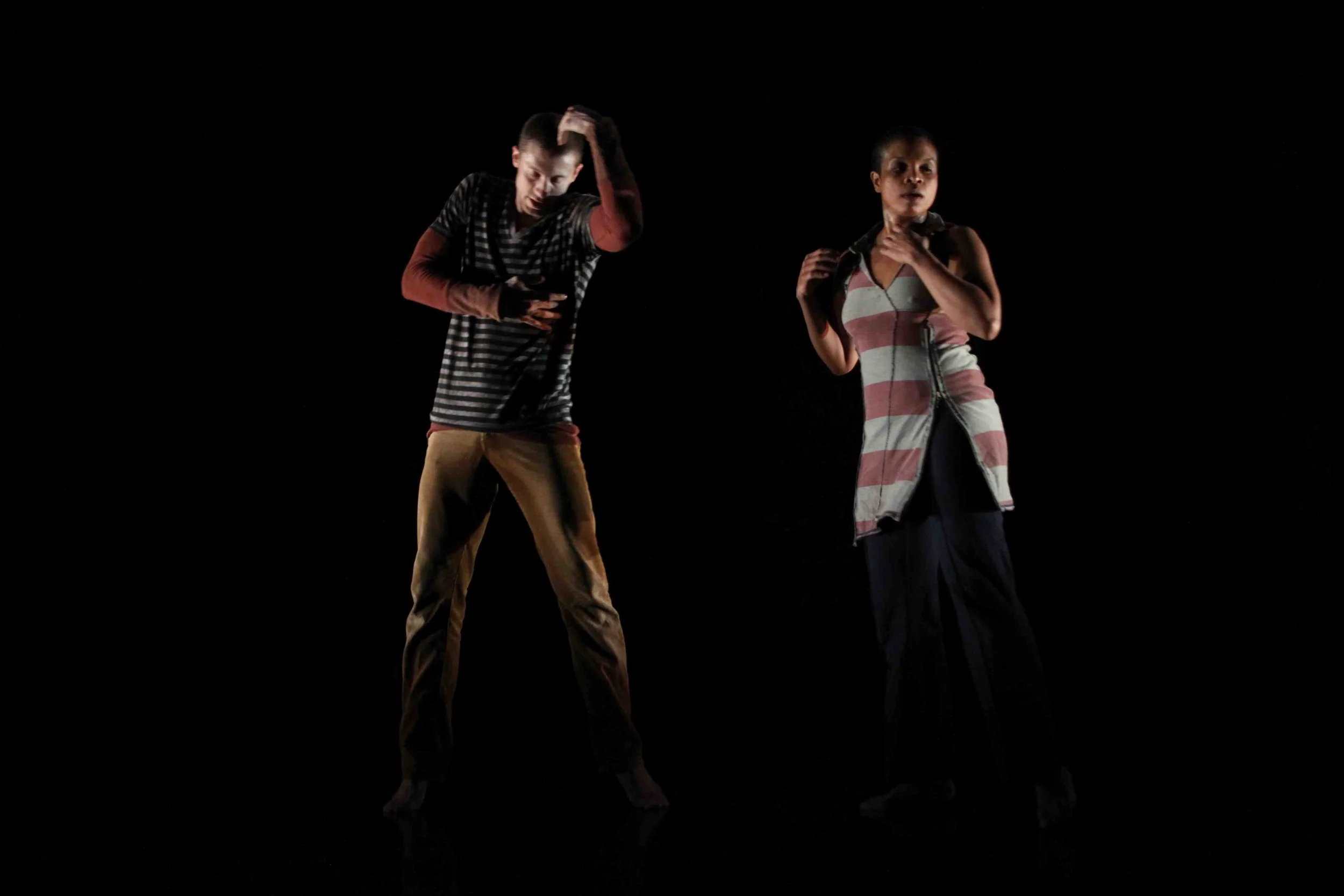
Photo Credit: Steven Schreiber
Meaning is both anchor and horizon. It can steady a piece through craft or slip in unexpectedly through intuition, metaphor, and embodied knowing. This chapter invites you to see meaning not as a riddle to be solved, but as a collaborator—one that reveals itself when you resist rushing to explain and instead stay with curiosity, sensation, and the interplay of clarity and ambiguity.
Featuring a contribution by Katherine Profeta
“What if your job wasn’t to deliver meaning, but to build the conditions for it to grow between you and your audience?”