Who
I’ve spent my life surrounded by people shaping meaning —rehearsal studios, classrooms, living rooms, Zoom squares. I’ve been a performer, choreographer, director, somatic therapist, teacher, mentor, and witness. The roles shift, but the through-line stays steady: a devotion to following intuition, vitality, authenticity, and risk in the ongoing pursuit of art.
My approach has always begun in the body. As both an artist and a mentor, I attune to the ecosystem of what is me and not me. I catalyze intuition into form and stress-test emerging ideas through analysis, reflection, and feedback. My role has never been to provide answers, but to accompany the questions to their destination.
Writing this book asked me to stay with the same principles. I circled back often—to the floor of the studio, the midnight revelation, the decision to leave behind what I know. The rhythm was slow and nonlinear. What moved the process forward wasn’t certainty, but repetition: returning, noticing, choosing again.
Over time, the book began to take on the qualities that shape all creative work: love, doubt, desire, fear, attention. The slow, steady act of staying close to what matters.
If the book offers anything, I hope it feels like a companion—a voice that invites clarity, expands choice, and reminds you that your process already knows how to move.
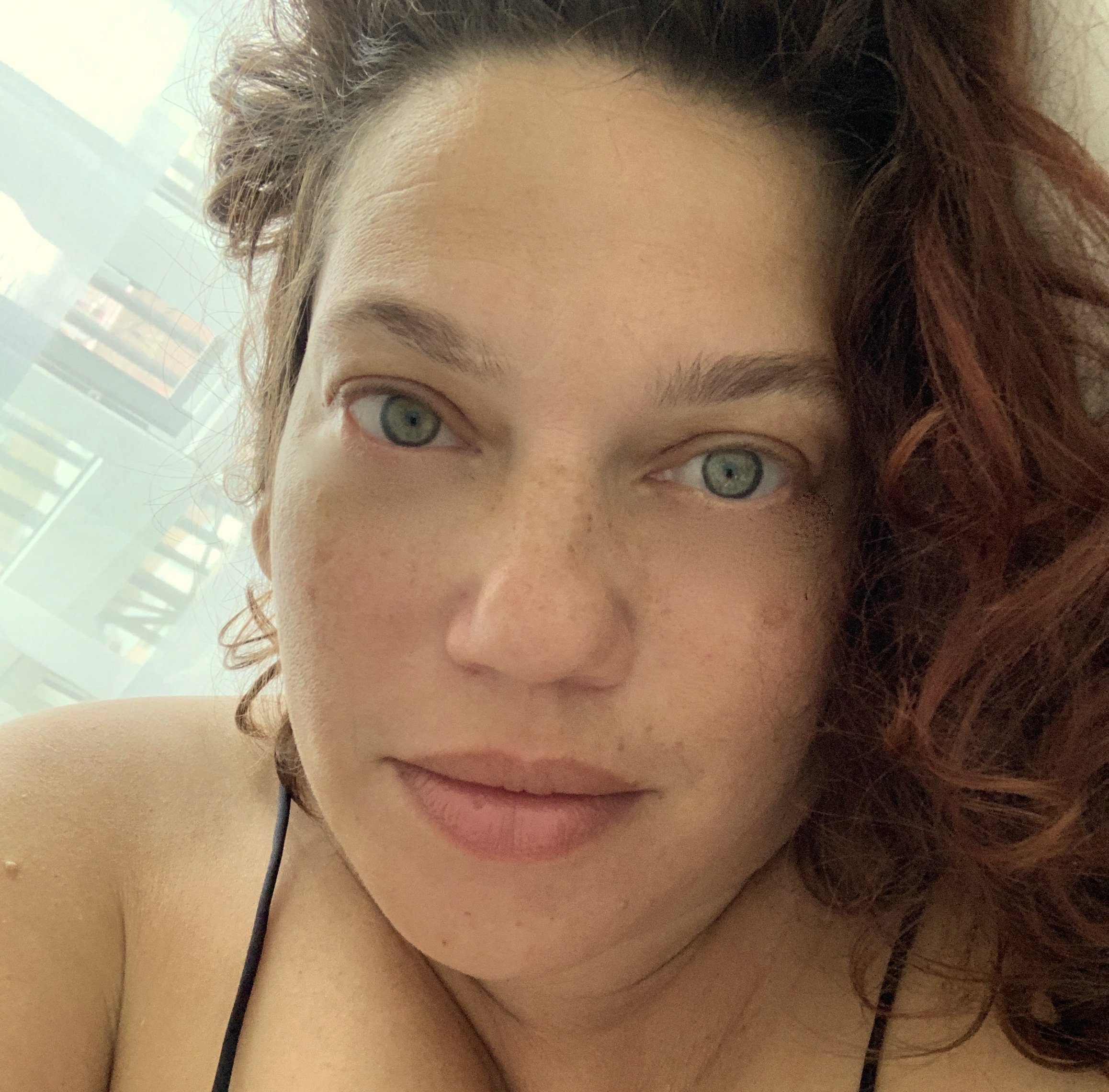
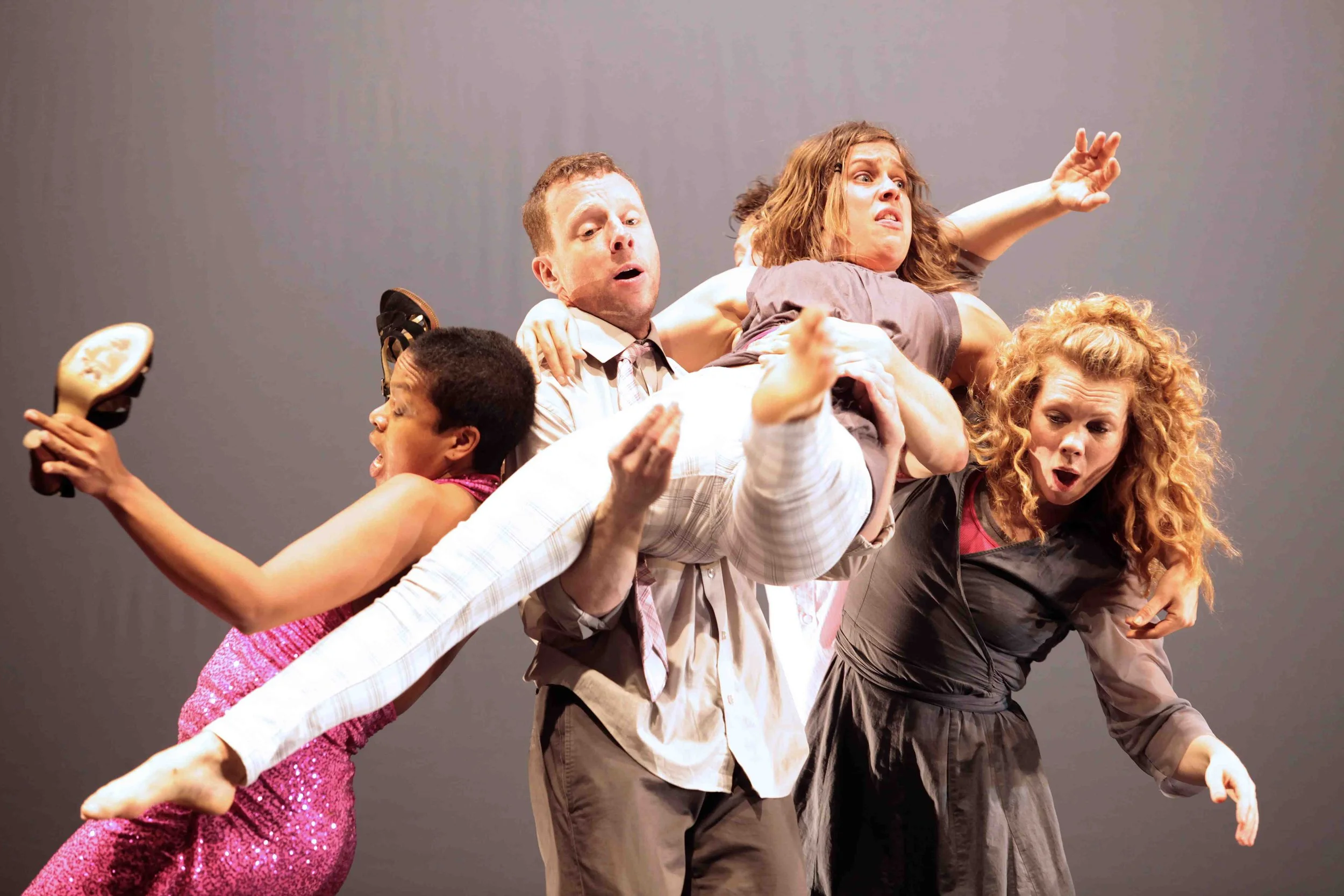
Photo Credit: Rachel Roberts
What
This book is a map for navigating the terrain of the creative process. Each of its twelve chapters—on themes like Time, Space, Relationship, and Meaning—opens with a handful of questions to tune your attention, then moves through essays, exercises, and frameworks that reframe how you approach your work. You’ll find embodiment explorations to reawaken the body, creative scores to break patterns, writing prompts to clarify intention, and over 40 catalytic questions per chapter to shake loose assumptions in the studio.
You can enter anywhere—read cover to cover, choose the chapter that matches where you’re stuck, or treat it like drawing a card from a deck. The structure holds space for thinking, sensing, and making, so the book meets you where you are: in early sketching, mid-process doubt, or last-minute refinement. Whether you work in movement, music, visual art, theatre, or writing, The Anatomy of Art offers both provocation and support—so you can keep moving, even when the path shifts.
Whether your work lives in movement, music, visual art, theater, writing, or hybrid forms, the book offers a way to stay in conversation with your process across inspiration, experimentation, revision, and refinement.
Why
This book began in the studio, in the pauses between run-throughs and the long exhale after a breakthrough, when someone would ask a question that opened the whole room. Over years of making and teaching, I gathered those questions—alongside the tools, stories, and frameworks that helped artists navigate uncertainty—into a kind of living archive.
One of my greatest joys is being in the room with an artist who is grappling—facing a wall in their process—and watching them find a way through. Not by giving them my answers, but by offering the right question at the right moment so they can hear their own knowing, or at least the next question that matters. If I could, I would visit your rehearsal and help in that way. In lieu of that, I have tried to put what I would say in these pages.
I wanted a place where the body, imagination, and intellect could meet without hierarchy. A place where rigor didn’t erase vulnerability, and where doubt was not a flaw but a collaborator. The Anatomy of Art is both a companion and a catalyst, written to help artists locate what matters to them, dismantle what no longer serves, and make meaning in ways that are unmistakably their own.
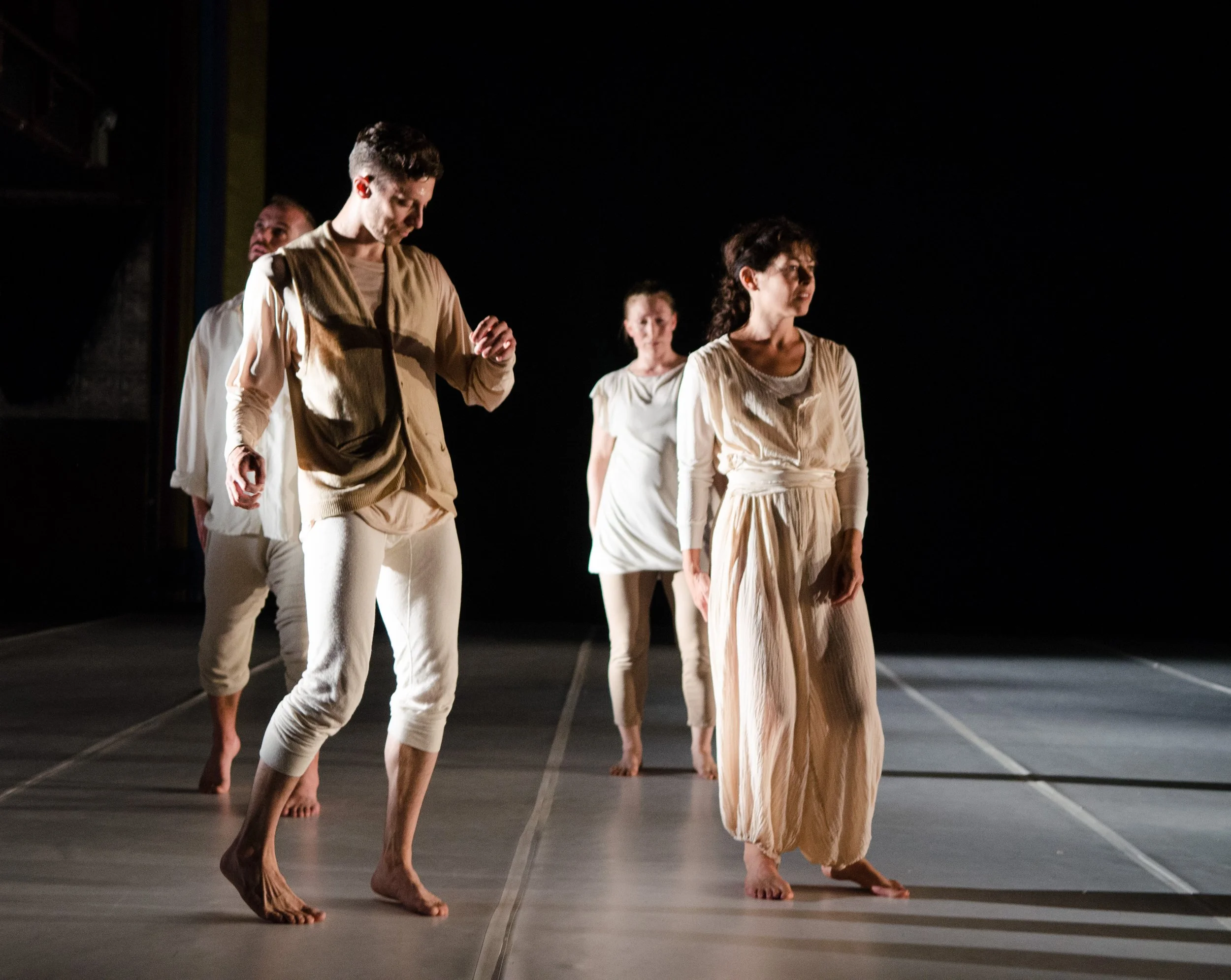
Photo Credit: Scott Shaw
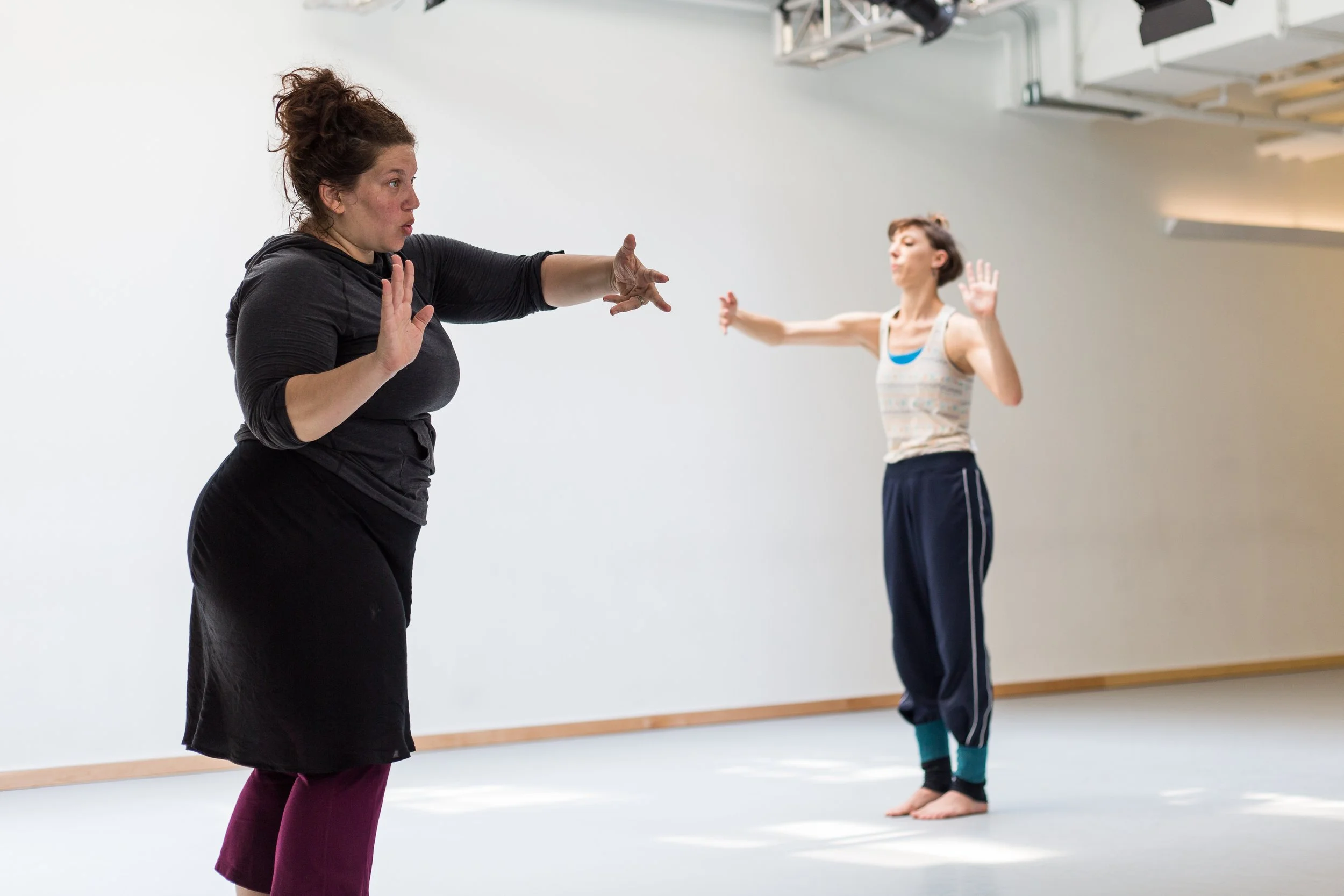
Photo Credit: Scott Shaw
How
The Anatomy of Art is built for movement—yours. It’s not a syllabus to follow; it’s a set of doorways you can enter from anywhere, depending on what your work needs today. You might read it cover to cover, or you might let curiosity drop you into a single page.
Each chapter begins with questions to tune your senses and open the theme in your body. Essays offer context and reframing, helping you see familiar terrain from a different angle. Practical guidance, personal stories, and frameworks give you ways to work with the theme directly in your studio, classroom, or rehearsal. Creative and somatic exercises let you test ideas without pressure, and writing prompts help you name what you’ve been circling but haven’t yet said.
You can treat the book like a conversation: move between thinking, moving, noticing, and making. Cross-pollinate ideas from different chapters. Repeat an exercise months later to see what’s shifted. Keep it on your desk for reference, or throw it in your rehearsal bag as a portable rehearsal companion.
The goal is not to make work like mine. It is to support you in making work that is more fully your own, with greater precision, depth, and resilience.
When
The Anatomy of Art is releasing on September 17th, 2026 through Bloomsbury/Methuen Drama.
It is available in both the UK and the US, in print, audio, and digital formats, and is sold through major booksellers, independent shops, and online retailers worldwide.
It is currently available for pre-order through the sites below.

Where
Book readings, interviews, workshops, and residencies are available for institutions, schools, organizations, and community spaces.
Online courses and extended learning opportunities will also be offered for those who wish to continue working with the material beyond the book.
Inquiries about events, classes, or collaborations are welcome through this form or the Contact page.